Finding Groups and Shared Knowledge
Accessing Group Spaces in Discover
Beyond individual Knowledge Cards, Discover includes a Group Spaces section where research teams make their collaborative environments discoverable to potential new members.
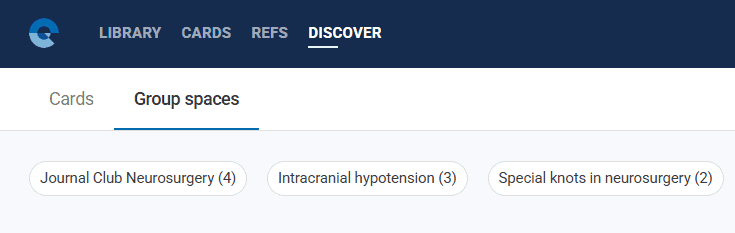
Navigate to the Group Spaces tab within Discover to browse research communities organized around specific topics, methodologies, or institutional affiliations.
Browsing Available Groups
Group spaces appear with descriptive information including the group name, research focus, member count and recent activity indicators. This information helps you identify communities that align with your research interests and collaboration goals.
Look for groups working on topics related to your research area, using methodologies you want to learn, or affiliated with institutions where you have connections or interests.
Evaluating Group Fit
Before requesting to join a group space, review the available information to ensure your research interests and collaboration style align with the group's objectives.
Consider the group's activity level, research focus and apparent collaboration intensity to determine whether participation would benefit both your research and the existing team dynamics.
Joining Research Groups
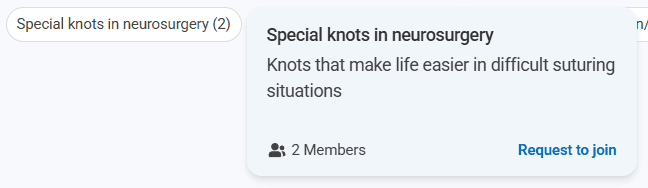
Contact group administrators before submitting join requests to introduce yourself and explain how your research interests align with the group's work. This preliminary communication increases the likelihood of successful integration.
Most research groups prefer to understand potential members' backgrounds and research contributions before granting access to collaborative workspaces.
Shared Knowledge Discovery
Use the main Discover feed to identify valuable knowledge resources shared by various research communities, even when you're not a member of specific groups.
Save cards from different research groups to build your personal collection of insights across multiple research areas and methodologies.
Building Research Networks
Strategic group participation helps build professional relationships that extend beyond individual projects to ongoing collaborative research opportunities.
Engage actively but respectfully in group spaces you join, contributing valuable insights while learning from established community members.
Finding and joining research groups through Discover expands your collaborative opportunities while providing access to shared knowledge resources that enhance your individual research capabilities.
Next Steps
Once you've identified relevant groups and knowledge sources, learn how to contribute effectively:
- Understanding Discover: Learn how to engage meaningfully with community content and contribute to shared knowledge development